Compare Leading ePOS Providers for Small Businesses
Best EPOS Systems for Seasonal Businesses UK 2026

Updated August 2026. Seasonal businesses need an EPOS system that can cope with the opposite of steady trading. A Christmas shop can be extremely busy for eight weeks and nearly dormant for the rest of the year. A beach café may need extra tills in July but only one in November. A festival trader may operate at a different location every weekend.
That makes flexibility more important than having every possible feature. The wrong contract can leave you paying for terminals and software throughout months when you barely trade.
Quick seasonal shortlist
- Best low-fixed-cost option: Square POS Free at £0 per month plus processing.
- Best low-cost mobile alternative: SumUp, with free basic POS and PAYG card processing.
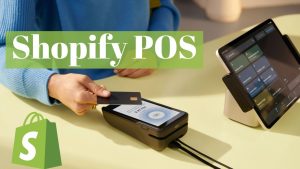
- Best for seasonal ecommerce plus pop-ups: Shopify POS if your online store already runs on Shopify.
- Best for a permanent seasonal venue needing full EPOS: Epos Now, but model the full subscription term carefully.
What makes seasonal EPOS different?
A normal year-round shop can spread hardware and software costs across 12 months of sales. A seasonal business cannot.
Imagine a Christmas retailer trading seriously for only three months. A £60 monthly software subscription effectively costs £240 for each active trading month if you pay it for the full year. That does not automatically make the system bad value, but it changes the calculation.
Seasonal businesses should focus on:
- low fixed cost;
- easy setup and shutdown;
- portable hardware;
- the ability to add devices temporarily;
- cloud access;
- quick staff training;
- real-time stock;
- offline resilience;
- simple year-on-year reporting.
Square POS for seasonal trading
Square is one of the easiest seasonal options because the standard POS software has no monthly fee. Standard in-person payments cost 1.75%.
Hardware can also start cheaply. Square Reader costs £19 + VAT. Businesses wanting a standalone terminal can buy Square Terminal for £149 + VAT.
If the business does not trade for two months, there is no standard POS software subscription quietly running in the background.
Square for a seasonal retail shop
A seasonal retailer can use Square Retail Free for £0 per month and basic inventory tools. If the active season becomes more complex, Retail Plus costs £49 per month per location and can be paused from the Square dashboard under the current plan rules.
That ability to move between paid and free functionality is useful to a business whose needs change dramatically during the year.
Read our retail EPOS guide for a deeper comparison.
SumUp for markets, festivals and mobile seasonal businesses
SumUp is another natural fit for businesses that do not want a traditional rental. Its standard in-person rate is currently 1.69% and basic POS software is available without a monthly fee.
Solo Lite costs £25 before VAT and pairs with a phone. SumUp Terminal costs £135 and combines payment, basic POS functions and receipt printing in a standalone unit.
For a festival seller or touring seasonal trader, the ability to own the device and pay mainly when sales happen is valuable.
SumUp Register for a fixed seasonal venue
A garden centre, farm shop or Christmas attraction may want a full counter rather than a handheld reader. SumUp Register costs £399 before VAT, while the current Retail POS Kit is £649 and includes printer, cash drawer and barcode scanner.
Because the hardware is purchased rather than rented, the main seasonal question is whether the card-processing and software arrangement still fits your active months.
Shopify POS for seasonal brands that sell online all year
Shopify POS makes sense when the physical seasonal activity is only one part of the business.
A clothing brand might sell online year-round but open Christmas pop-ups. A farm business might sell hampers online and operate temporary shops during peak periods.
Shopify’s annual-billing Basic plan currently starts at £19 per month, with basic in-person selling included. POS Pro is an additional £69 per month per location for permanent retail locations needing more advanced staff and inventory tools.
If the website already justifies the Shopify subscription, using the same stock and customer platform for temporary physical selling can be efficient.
Epos Now for larger seasonal venues
Epos Now is more relevant to a seasonal venue that operates intensively during its active period and needs proper tills, printers, kitchen functions or complex stock.
Its complete hardware packages can look inexpensive at promotional prices, but discounted bundles can require a 12-month payments, care and support subscription starting at £54 per month.
A seasonal business should therefore calculate the annual cost, not the active-month cost shown in a sales conversation.
Inventory matters more when stock has a deadline
Seasonal stock loses value quickly. Christmas products are much harder to sell in January. Summer-event merchandise may be almost worthless by autumn.
Your EPOS should help identify:
- which products are selling fastest;
- which items are slowing down;
- stock remaining by location;
- sales by day and hour;
- margin by product where supported;
- what sold at the same point last season.
That information lets you reorder winners earlier and discount slow stock before the season ends.
Use last year’s data before buying this year’s stock
One of the biggest benefits of keeping the same cloud POS between seasons is historical data.
Instead of guessing that the first bank-holiday weekend will be busy, you can look at last year’s sales by hour and product. This helps with staffing, purchasing and opening hours.
For a seasonal business, historical data can be more valuable than a sophisticated loyalty programme.
Temporary staff need a simple interface
Seasonal businesses often recruit large numbers of temporary staff who have little time to learn the till.
Test how quickly a new starter can:
- find a product;
- take a card or cash payment;
- apply an approved discount;
- process a return;
- open or close a table if hospitality is involved;
- call a supervisor for restricted actions.
If training takes hours, the system is too complicated for a high-turnover temporary workforce.
Add and remove tills quickly
A summer attraction may need three tills during school holidays and one for the rest of the year. Ask providers exactly how additional devices are billed.
Can you add a terminal for two months? Do you have to pay for another software licence for a full year? Can the extra device be deactivated without losing its data?
This can make a bigger difference than a £10 monthly price difference on the main till.
Internet and mobile connectivity
Seasonal businesses often trade in locations where broadband is weak: fields, markets, outdoor events, temporary units and tourist sites.
Check Wi-Fi and mobile coverage before opening day. If the POS depends on a tablet, consider a backup hotspot. If the payment device has 4G, ask which network it uses.
Also understand offline mode. Some systems allow limited offline transactions, but there are time limits and risk conditions.
Worked seasonal cost example
Imagine a pop-up shop trades for three months and processes £12,000 a month by card.
- At 1.75%, simple card-processing cost is £210 a month.
- Across the active three months, that is £630.
- A £49 software plan paid only for those three months adds £147.
- The same £49 plan paid for a full year would cost £588.
The difference shows why pause, downgrade and cancellation rules matter so much to seasonal businesses.
Seasonal hospitality and food waste
For seasonal cafés and food venues, sales and stock data can also help reduce waste. Compare sales by day, weather pattern and event schedule, then use that information to adjust ordering.
A POS cannot forecast perfectly, but it gives you much better evidence than relying on memory alone.
Questions to ask before choosing seasonal EPOS
- Can the software be paused or downgraded?
- Is there a minimum contract?
- Can I add tills for only the busy season?
- Can temporary staff learn the system quickly?
- Does it work with mobile data?
- What happens offline?
- Can I keep historical sales data between seasons?
- Can I export everything if I stop using the provider?
- How are extra locations billed?
- What payment fees apply when turnover spikes?
Our verdict
Square and SumUp are the easiest starting points for most seasonal micro-businesses because fixed costs can stay low. Shopify is compelling when ecommerce continues all year and the seasonal outlet is just another sales channel.
Epos Now belongs on the list for larger seasonal venues that need a full till and support package, but only after modelling the entire 12-month commitment.
Above all, choose a system you can scale down as easily as you scale up.
Need EPOS for a seasonal shop, attraction or venue?
More seasonal business guides
See our craft fair card machine guide, EPOS system guide, retail EPOS guide and mobile card reader guide.